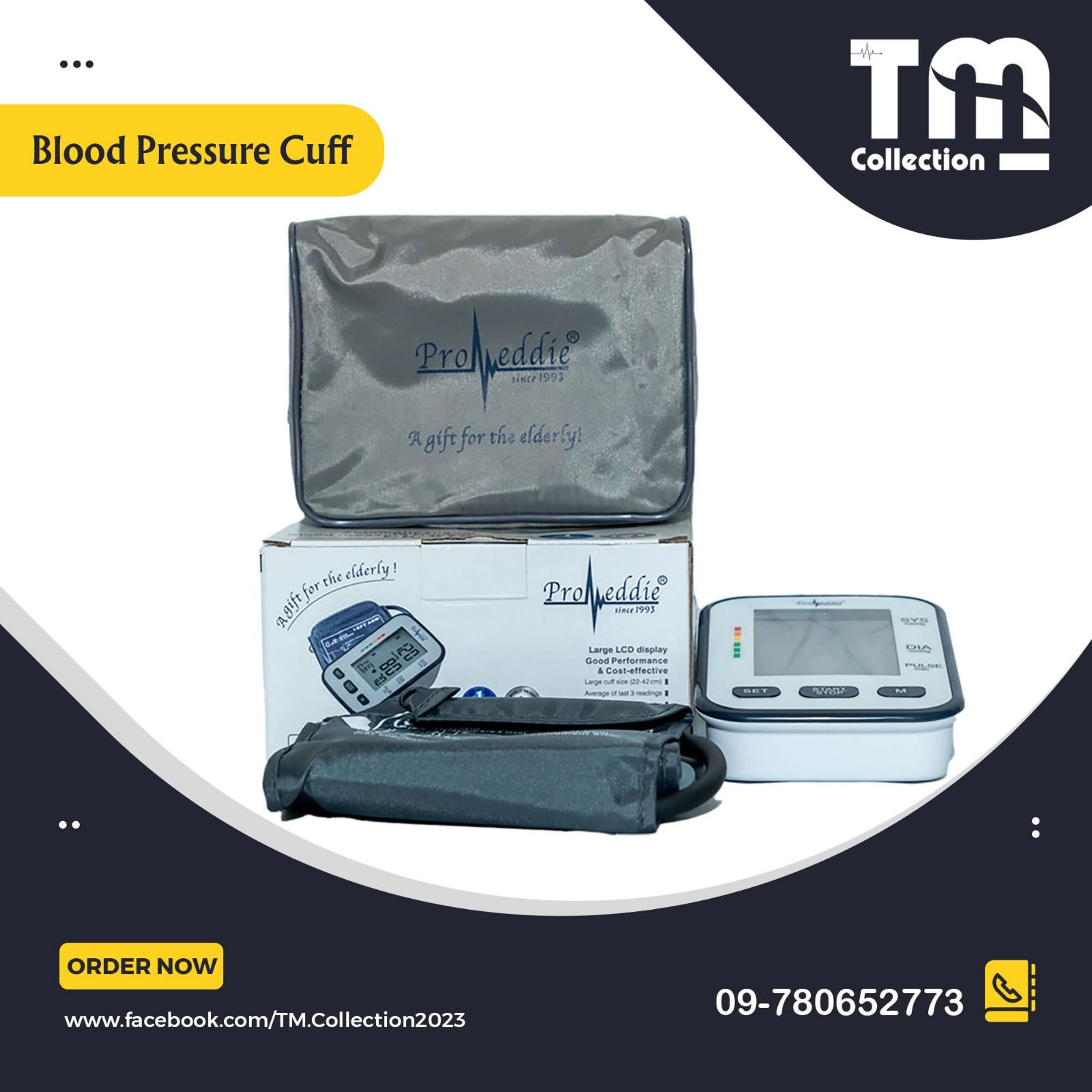
Choosing the right medical equipment is an important decision for hospitals, clinics, diagnostic centers, and other healthcare facilities. Reliable equipment can support healthcare professionals in monitoring patients, performing routine assessments, and maintaining an efficient care environment.
With many different products available, it is important to evaluate equipment based on its intended use, quality, usability, and long-term requirements rather than focusing only on price.
Understand Your Healthcare Facility’s Requirements
The first step is to identify the specific needs of your facility. A small clinic may require basic diagnostic and monitoring equipment, while a hospital or specialized healthcare center may need a broader range of medical devices and patient-care products.
Consider:
- The type of healthcare services provided
- Number of patients served
- Frequency of equipment usage
- Clinical environment
- Available storage space
- Maintenance requirements
Understanding these requirements can help prevent unnecessary purchases and ensure that the equipment selected is appropriate for its intended application.
Focus on Quality and Reliability
Medical equipment plays an important role in healthcare operations, so quality should always be a priority.
Before purchasing a product, review the manufacturer’s information, technical specifications, intended use, applicable certifications or standards, and warranty details.
Reliable equipment can also help reduce frequent replacements and unnecessary maintenance costs over time.
Consider Ease of Use
Healthcare professionals often work in busy environments, so equipment should be practical and easy to operate.
Clear displays, straightforward controls, understandable instructions, and ergonomic designs can make routine use more convenient.
For equipment intended for home healthcare, ease of use becomes even more important because caregivers or patients may need to operate the device without continuous professional assistance.
Evaluate Maintenance Requirements
Medical equipment requires proper maintenance to remain suitable for use.
Before purchasing, understand:
- Cleaning requirements
- Calibration requirements, where applicable
- Battery or power requirements
- Replacement accessories
- Availability of spare parts
- Manufacturer or supplier support
A product that is easy to maintain can contribute to smoother day-to-day operations.
Choose Equipment According to Its Intended Purpose
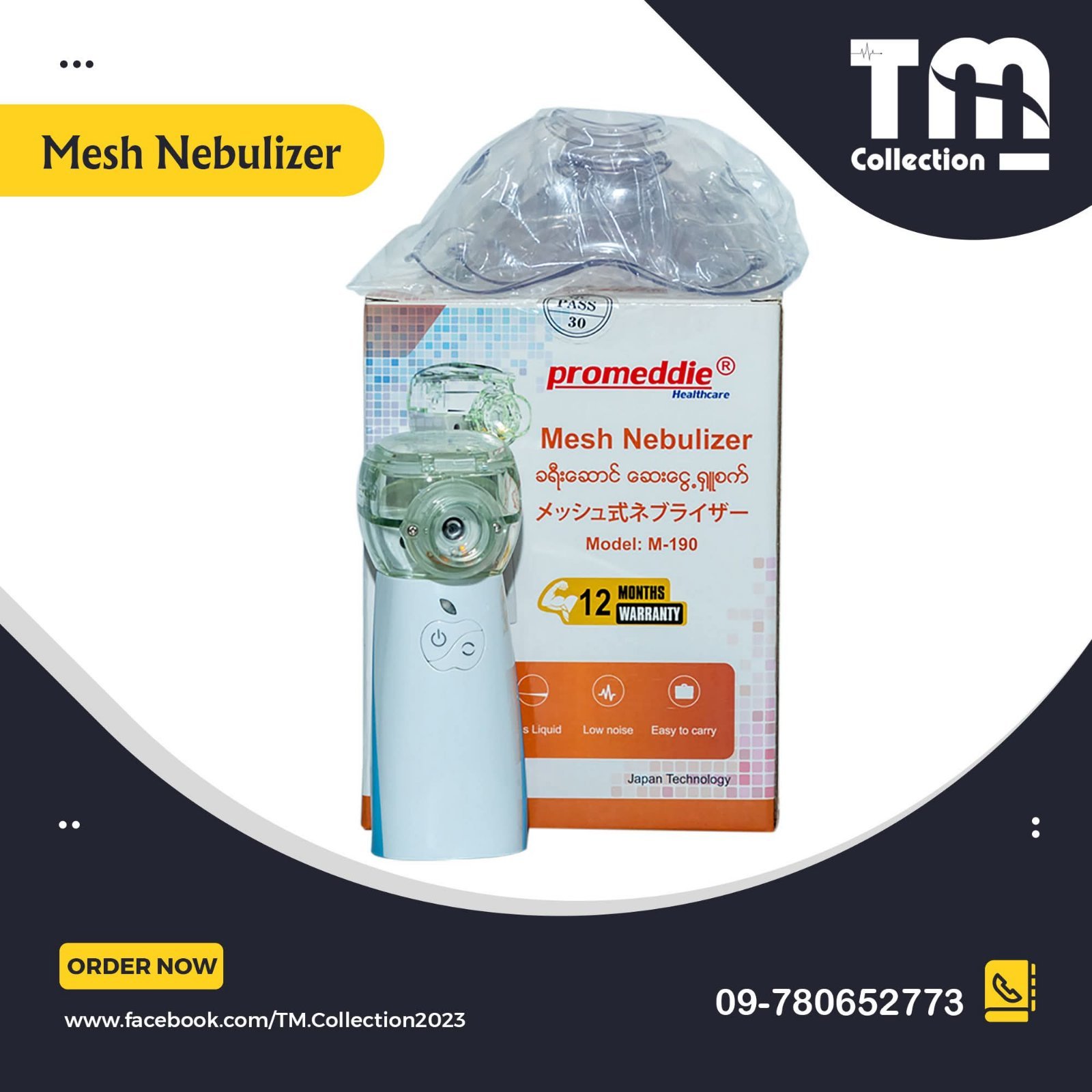
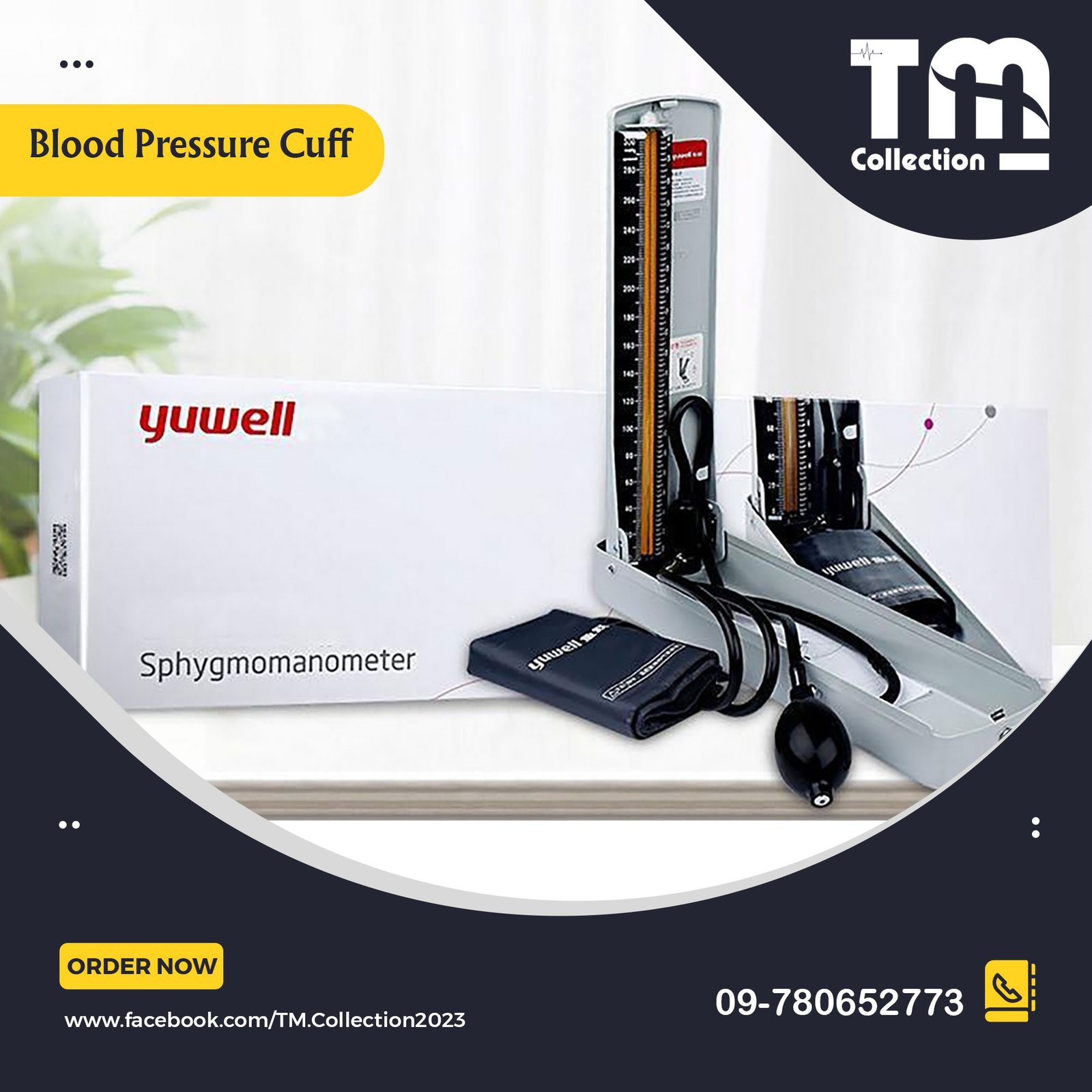
Different medical devices are designed for different applications. For example, blood pressure monitors are intended for blood pressure measurement, while pulse oximeters are designed to estimate oxygen saturation and pulse rate.
Selecting equipment based on the actual healthcare requirement helps ensure that the product is being used appropriately.
Work With a Reliable Healthcare Supplier
A dependable supplier can make medical equipment procurement easier by providing accurate product information, specifications, and support.
Healthcare facilities should look for suppliers that offer a suitable range of products and maintain clear communication throughout the purchasing process.
Build a Practical Medical Equipment Setup
The best medical equipment setup is not necessarily the one with the largest number of devices. It is the one that provides the right combination of quality, functionality, reliability, and usability for the facility’s actual requirements.
At TM Collection, we provide a range of medical and healthcare products designed to support clinics, healthcare professionals, home users, and other care environments.
By carefully evaluating healthcare requirements and selecting appropriate equipment, organizations can create a more reliable and efficient healthcare environment.
Medical equipment should always be selected and used according to its intended purpose, manufacturer instructions, applicable requirements, and appropriate professional guidance.