Regular blood pressure monitoring can be a useful part of managing personal health, particularly for people who have been advised by a healthcare professional to check their blood pressure regularly.
With a suitable home blood pressure monitor and the correct technique, users can conveniently record readings and maintain a useful history for discussion with their healthcare provider.
What Is Blood Pressure?
Blood pressure refers to the force of circulating blood against the walls of the arteries. A blood pressure reading generally includes two numbers:
- Systolic pressure – the pressure when the heart contracts.
- Diastolic pressure – the pressure when the heart relaxes between beats.
Blood pressure can change throughout the day due to factors such as physical activity, stress, rest, and other circumstances.
Why Monitor Blood Pressure at Home?
Home monitoring can make routine measurement more convenient and may provide additional information about blood pressure patterns outside a healthcare facility.
Keeping a record of readings can also help healthcare professionals evaluate changes over time when home monitoring is part of a person’s care plan.
However, home measurements should not be used to diagnose a condition independently.
Choosing a Blood Pressure Monitor
When selecting a blood pressure monitor for home use, consider several important factors.
1. Appropriate Cuff Size
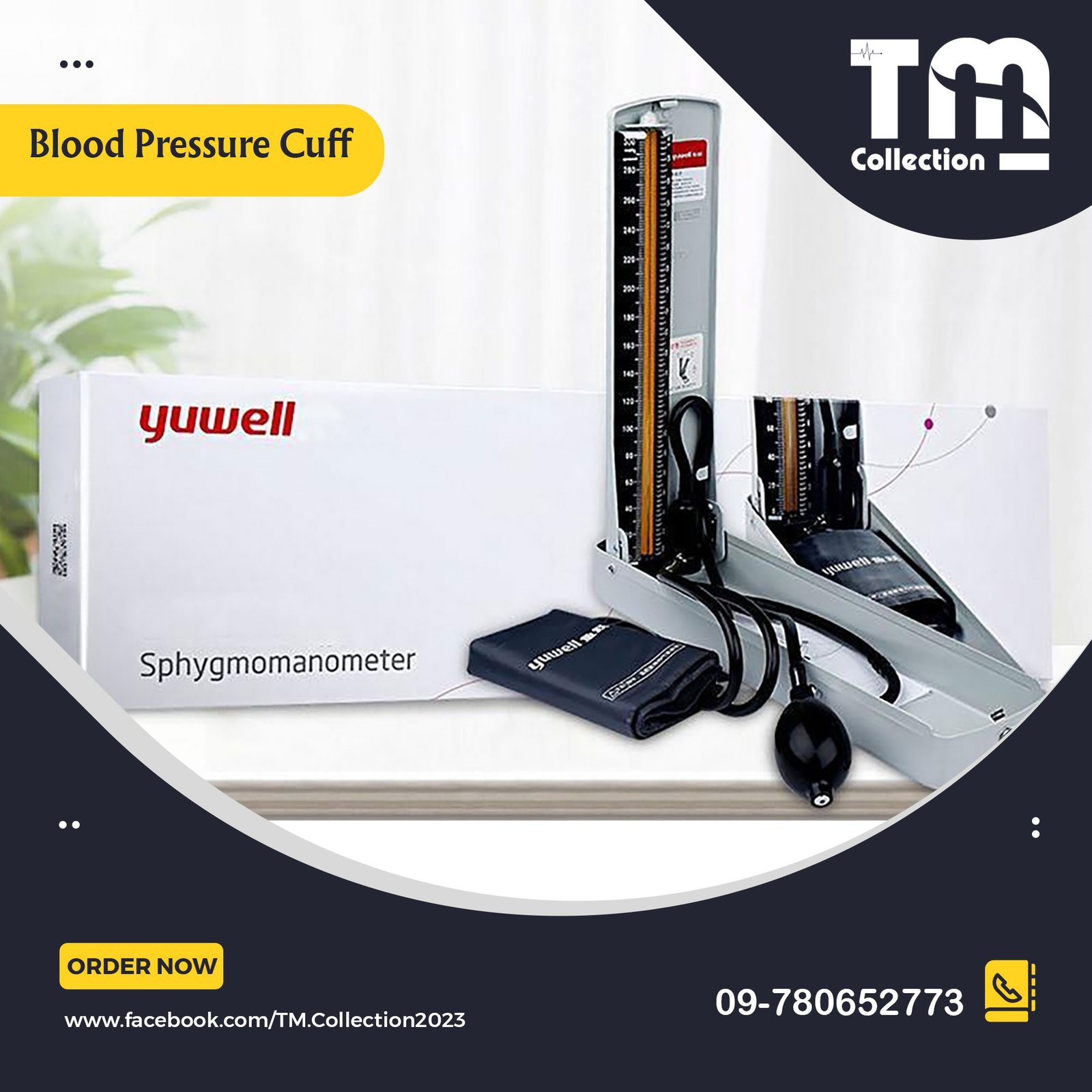
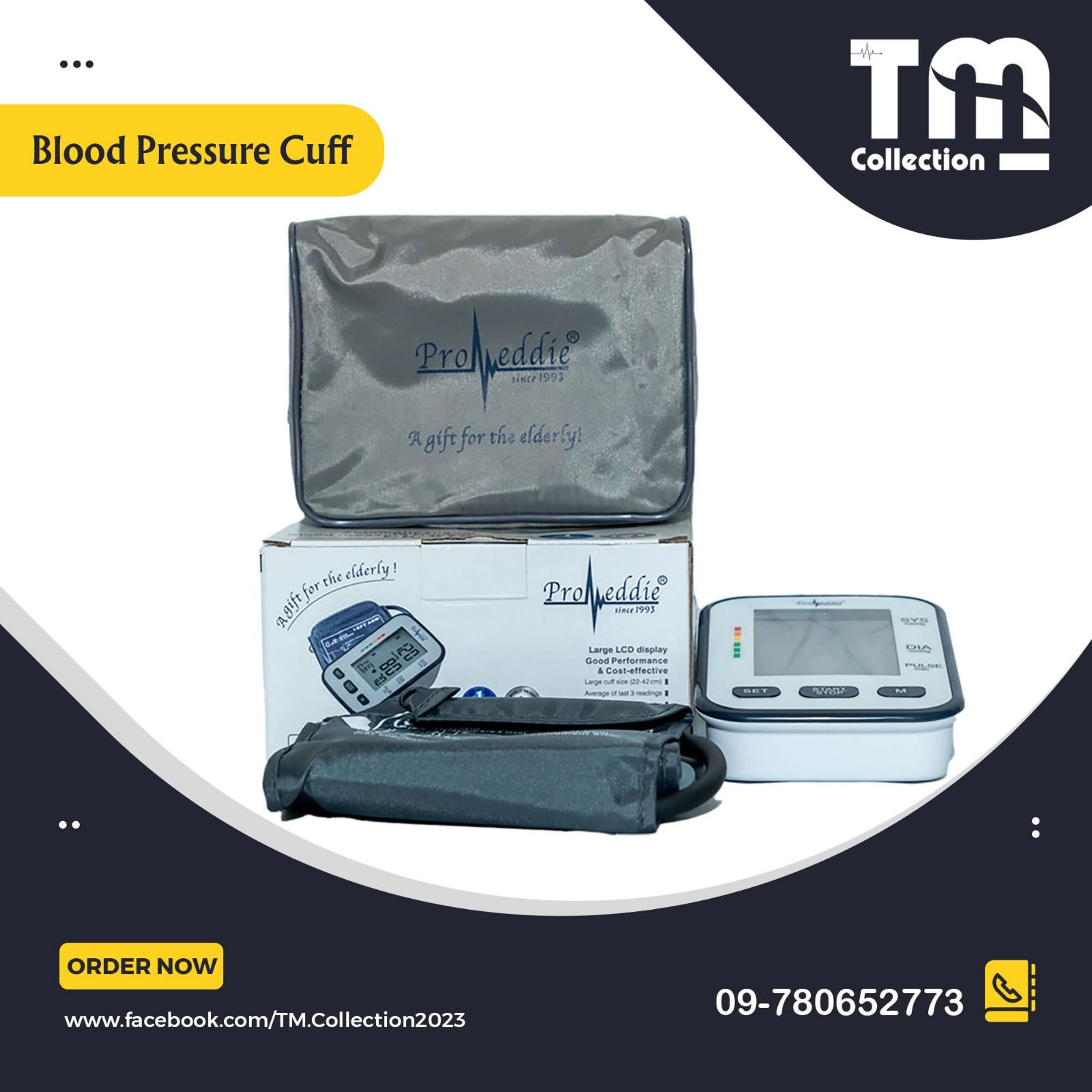
The cuff should fit the user’s arm correctly. An unsuitable cuff size can affect the measurement, so always check the manufacturer’s recommended size range.
2. Easy-to-Read Display
A clear digital display makes it easier to read and record results. This can be especially helpful for older adults or people with limited vision.
3. Simple Operation
A device with straightforward controls can make regular monitoring easier and reduce user confusion.
4. Memory Function
Some monitors can store previous readings. This feature can be useful for maintaining a record and reviewing measurements over time.
5. Product Quality
Look for reliable manufacturers, clear specifications, appropriate quality standards, and useful warranty or support information when purchasing medical equipment.
Tips for Taking a Consistent Reading
To improve consistency, follow the instructions provided with your specific device.
Before measuring, it is generally helpful to sit quietly for a few minutes and remain relaxed. Sit comfortably with your back supported and avoid unnecessary movement or talking during the measurement.
Taking readings under similar conditions can make it easier to compare results over time.
Keep a Health Record
If regular monitoring has been recommended, maintain a simple record of your readings.
You may record:
- Date
- Time
- Blood pressure reading
- Pulse rate, if displayed
- Relevant notes or circumstances
A well-maintained record can provide useful information during a healthcare consultation.
When Should You Contact a Healthcare Professional?
A blood pressure monitor is a measurement tool, not a substitute for professional diagnosis.
If readings are repeatedly outside the range expected for you, or if you experience concerning symptoms, contact a qualified healthcare professional for appropriate advice. For urgent or severe symptoms, seek immediate medical attention.
Make Home Monitoring Part of a Responsible Healthcare Routine
Reliable equipment, correct measurement technique, consistent record keeping, and professional guidance can make home blood pressure monitoring more useful.
At TM Collection, we provide healthcare and medical products designed to support home users, caregivers, clinics, and healthcare professionals.
Choosing appropriate equipment and using it correctly can help make routine health monitoring more convenient and organized.
This article is provided for general educational purposes and does not replace professional medical advice or diagnosis.