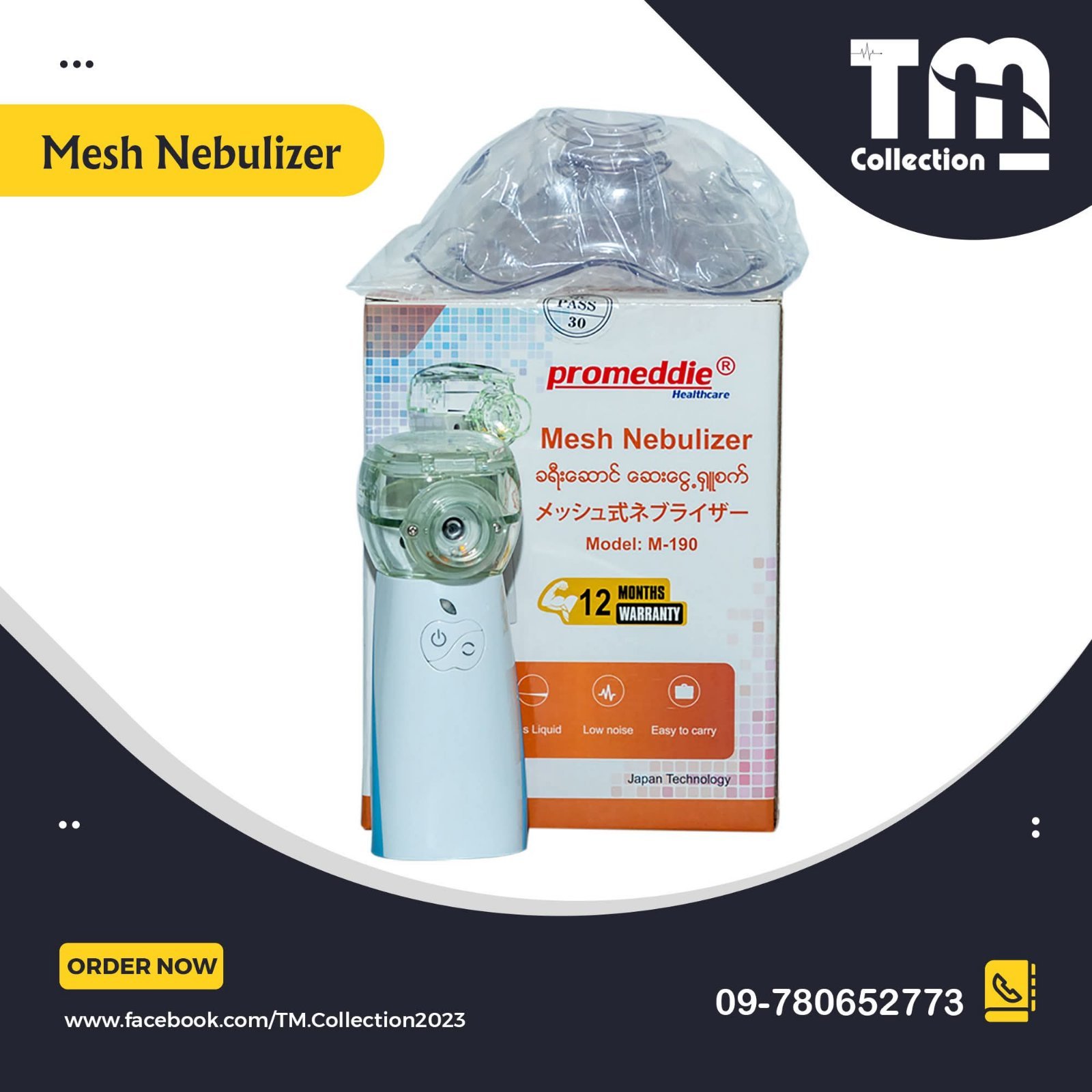
Respiratory care often requires dependable equipment that is easy to use and maintain. A nebulizer is one such device commonly used to deliver certain liquid medications in the form of a fine mist that can be inhaled.
Nebulizers may be used in hospitals, clinics, and home healthcare environments depending on the patient’s treatment plan. Understanding how they work and what to consider when selecting one can help users make more informed healthcare equipment decisions.
What Is a Nebulizer?
A nebulizer is a medical device that converts liquid medication into a fine aerosol or mist. The mist can then be inhaled through a mouthpiece or mask.
Unlike some other medication-delivery methods, nebulizers can be useful for patients who may have difficulty using certain inhaler devices. However, the appropriate method depends on the medication, patient, and healthcare professional’s recommendation.
How Does a Nebulizer Work?
The exact mechanism depends on the type of nebulizer. Generally, the device uses air, vibration, or another mechanism to transform liquid medication into small particles suitable for inhalation.
A typical nebulizer setup may include:
- A main nebulizer unit
- Medication cup
- Tubing, where applicable
- Mouthpiece or mask
- Power source
The equipment should always be assembled and operated according to the manufacturer’s instructions.
Where Are Nebulizers Used?
Nebulizers may be used in different healthcare environments, including:
Home Healthcare
Some patients may be advised to use a nebulizer at home as part of their respiratory treatment plan. A compact and easy-to-operate device can make routine treatment more convenient.
Clinics and Hospitals
Healthcare facilities may use nebulizers for appropriate respiratory-care applications under professional supervision.
Long-Term Patient Care
For patients who require ongoing respiratory support as part of their prescribed treatment, appropriate nebulizer equipment may become part of their regular care routine.
What to Consider When Choosing a Nebulizer
Choosing a nebulizer should be based on the user’s needs and professional recommendations.
Ease of Operation
Simple controls and clear instructions can make a device easier to use, particularly in a home healthcare environment.
Portability
If the equipment needs to be moved frequently, a compact and lightweight design may be useful.
Noise Level
Some users may prefer equipment designed to operate more quietly, especially when used regularly or by children.
Cleaning and Maintenance
Proper cleaning is important. Always follow the manufacturer’s cleaning and maintenance instructions to keep the equipment in appropriate condition.
Accessories
Check which accessories are included with the device and whether replacement masks, mouthpieces, tubing, or other components are available when required.
Proper Use and Maintenance
A nebulizer should be used only as directed by a healthcare professional and according to the manufacturer’s instructions.
After use, components should be cleaned and stored appropriately. Do not share personal-use components such as masks or mouthpieces unless they are specifically designed and prepared for shared use.
Regularly inspect the device for damaged parts, unusual operation, or other problems.
Why Choosing Reliable Healthcare Equipment Matters
Healthcare equipment should provide a suitable combination of functionality, usability, quality, and reliability.
Before purchasing a nebulizer, review the product specifications, intended application, manufacturer information, warranty details, and applicable quality standards.
Supporting Better Respiratory Care
The right equipment can make respiratory treatment more convenient and organized when used as part of an appropriate care plan.
At TM Collection, we offer a range of medical and healthcare products designed to support home users, caregivers, clinics, and healthcare professionals.
Whether you are selecting a nebulizer for home healthcare or a professional care environment, choosing suitable equipment and using it correctly are important steps toward effective respiratory care.
This article is for general educational purposes only. A nebulizer and any medication used with it should be selected and used according to appropriate professional medical guidance and the manufacturer’s instructions.