Medical devices play an important role in modern healthcare. From simple monitoring equipment to specialized diagnostic and patient-care products, these devices support healthcare professionals and patients in a wide range of environments.
Choosing the right medical device requires more than looking at its appearance or price. Reliability, suitability, specifications, usability, and quality should all be considered.
What Are Medical Devices?
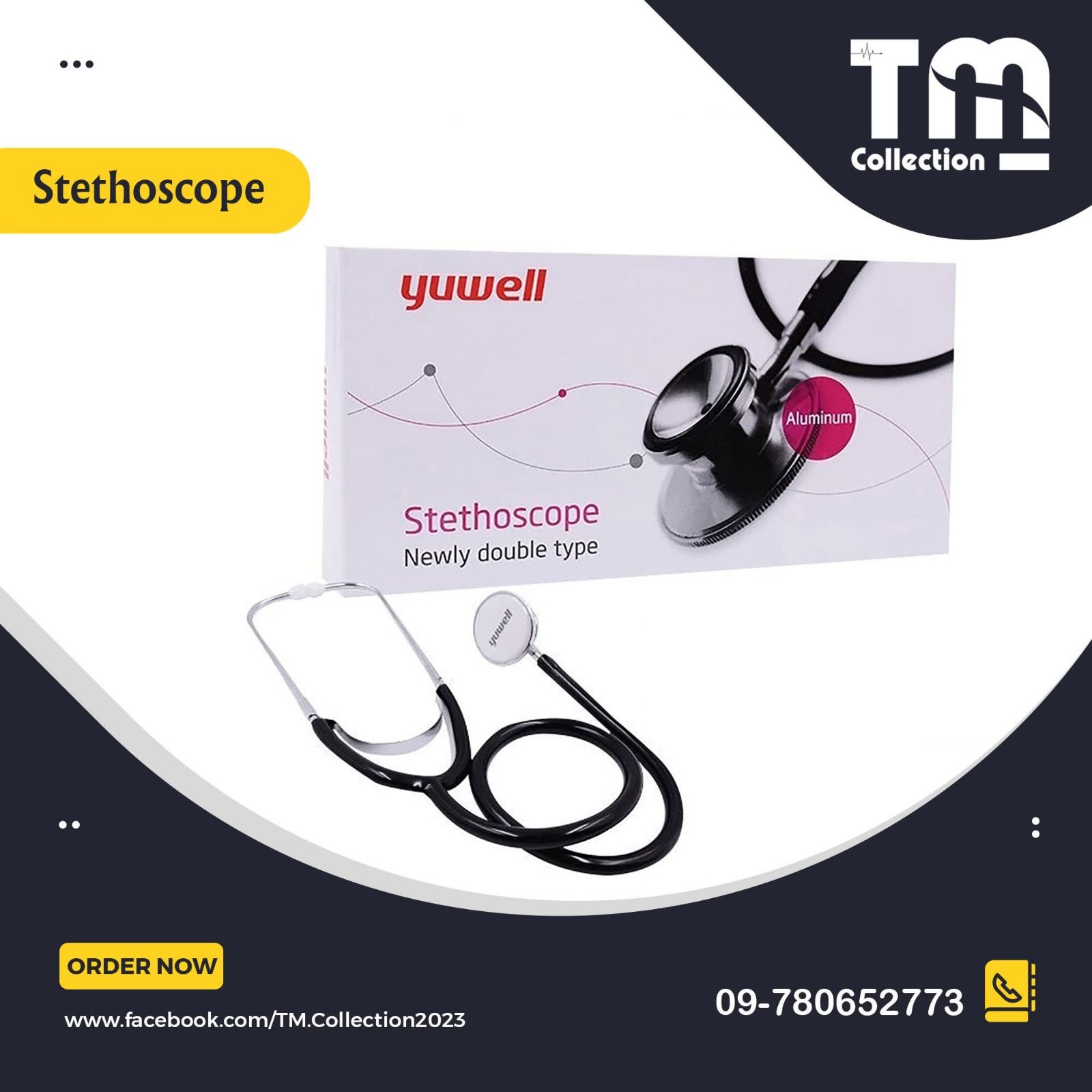
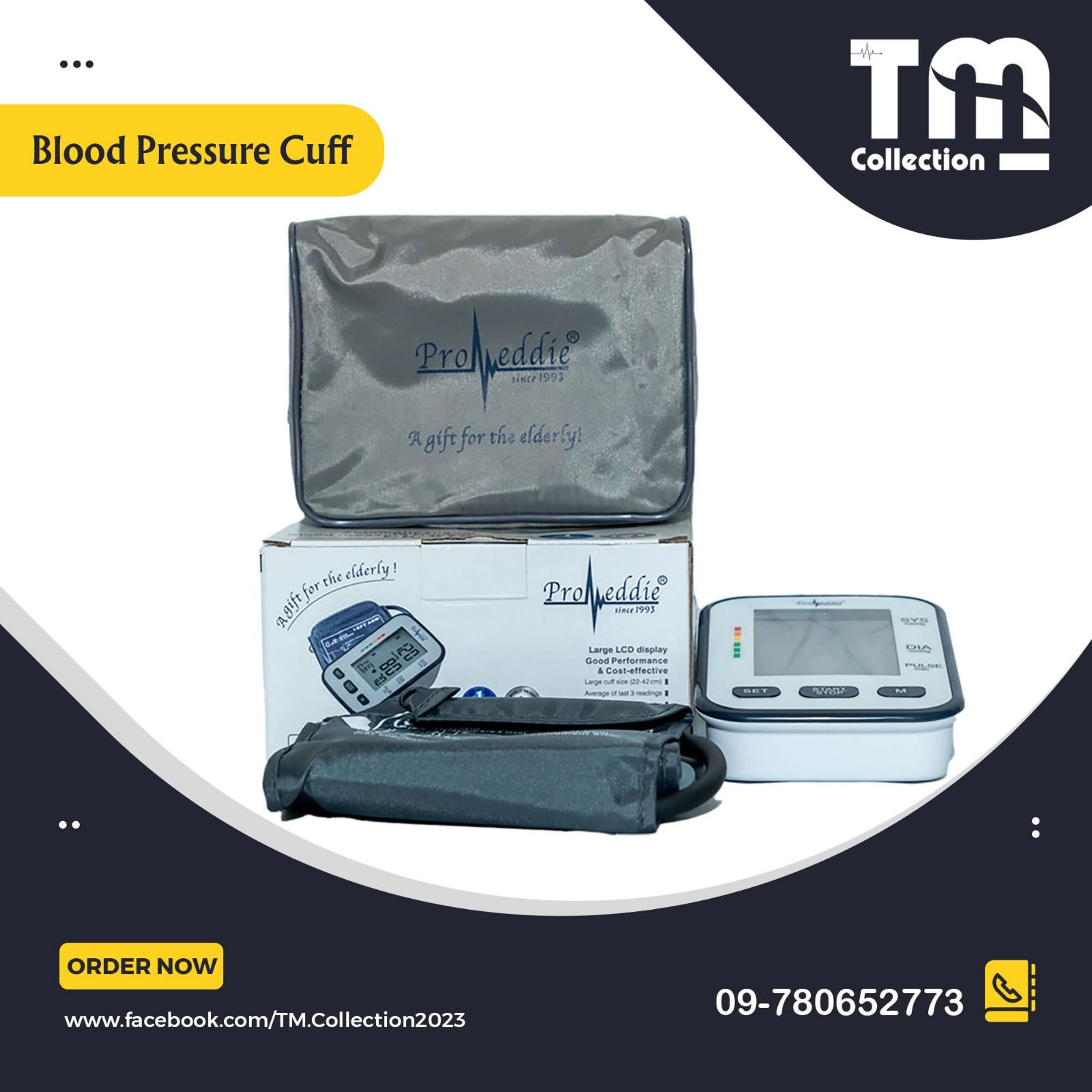
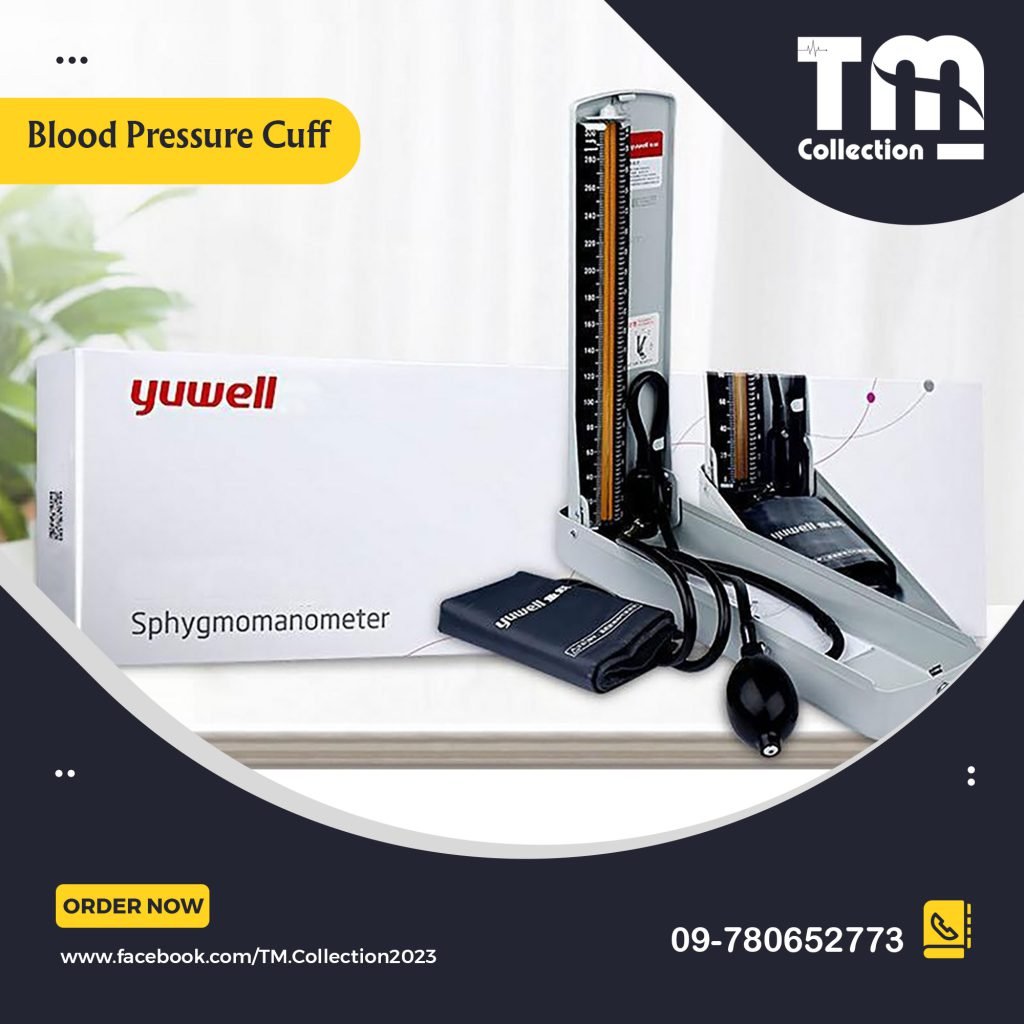
Medical devices include a wide range of equipment and products designed for purposes such as monitoring, diagnosis, prevention, treatment, or patient support.
Examples include:
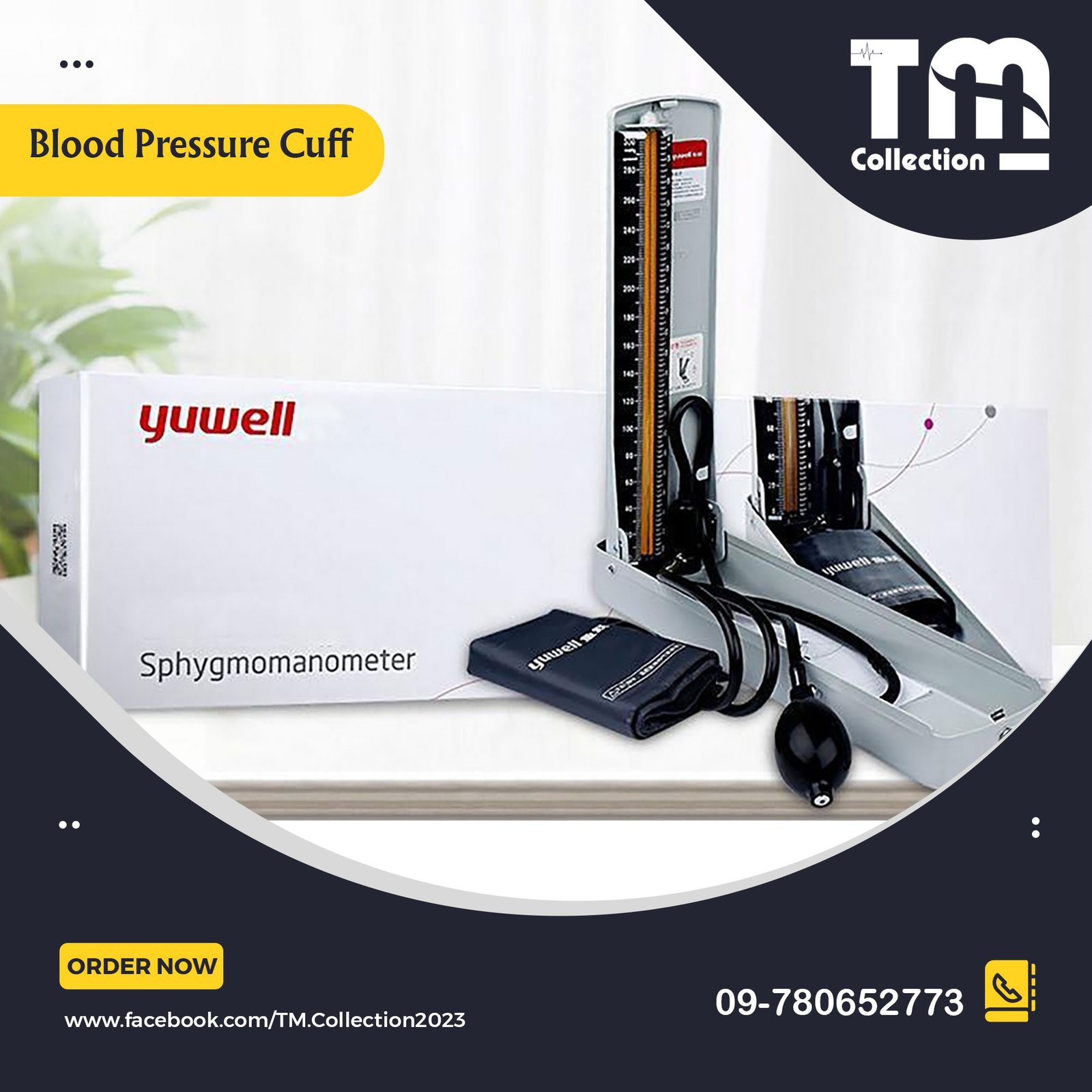
- Blood pressure monitors
- Pulse oximeters
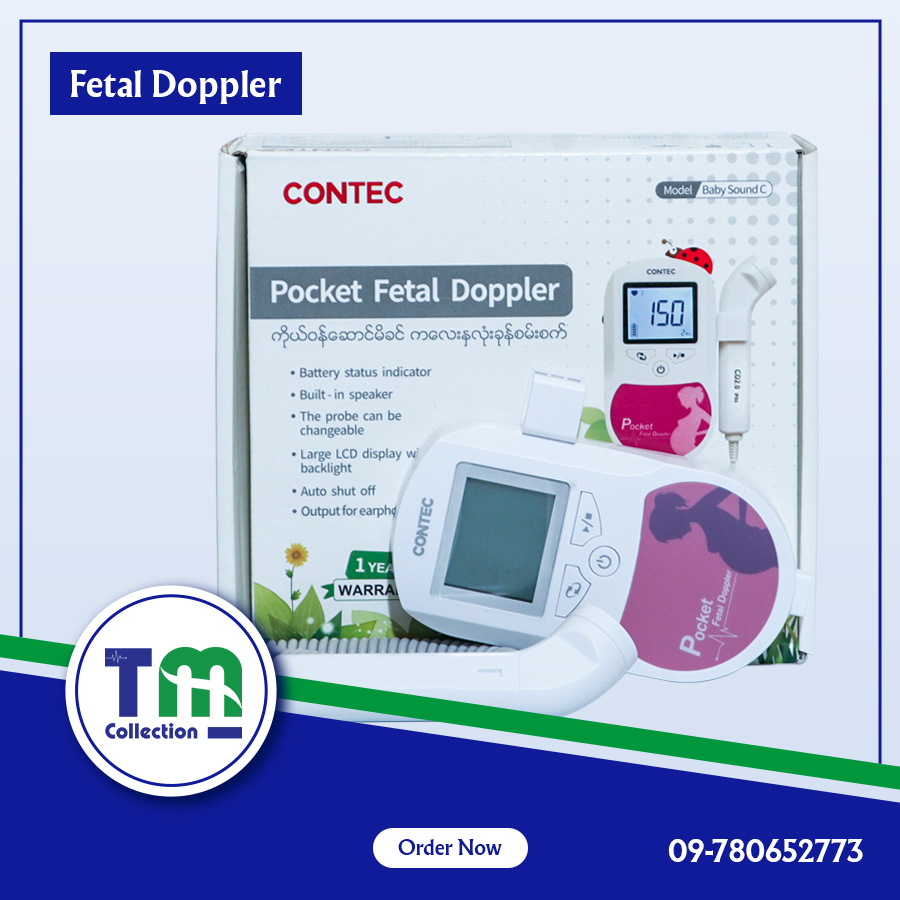
- Fetal Dopplers
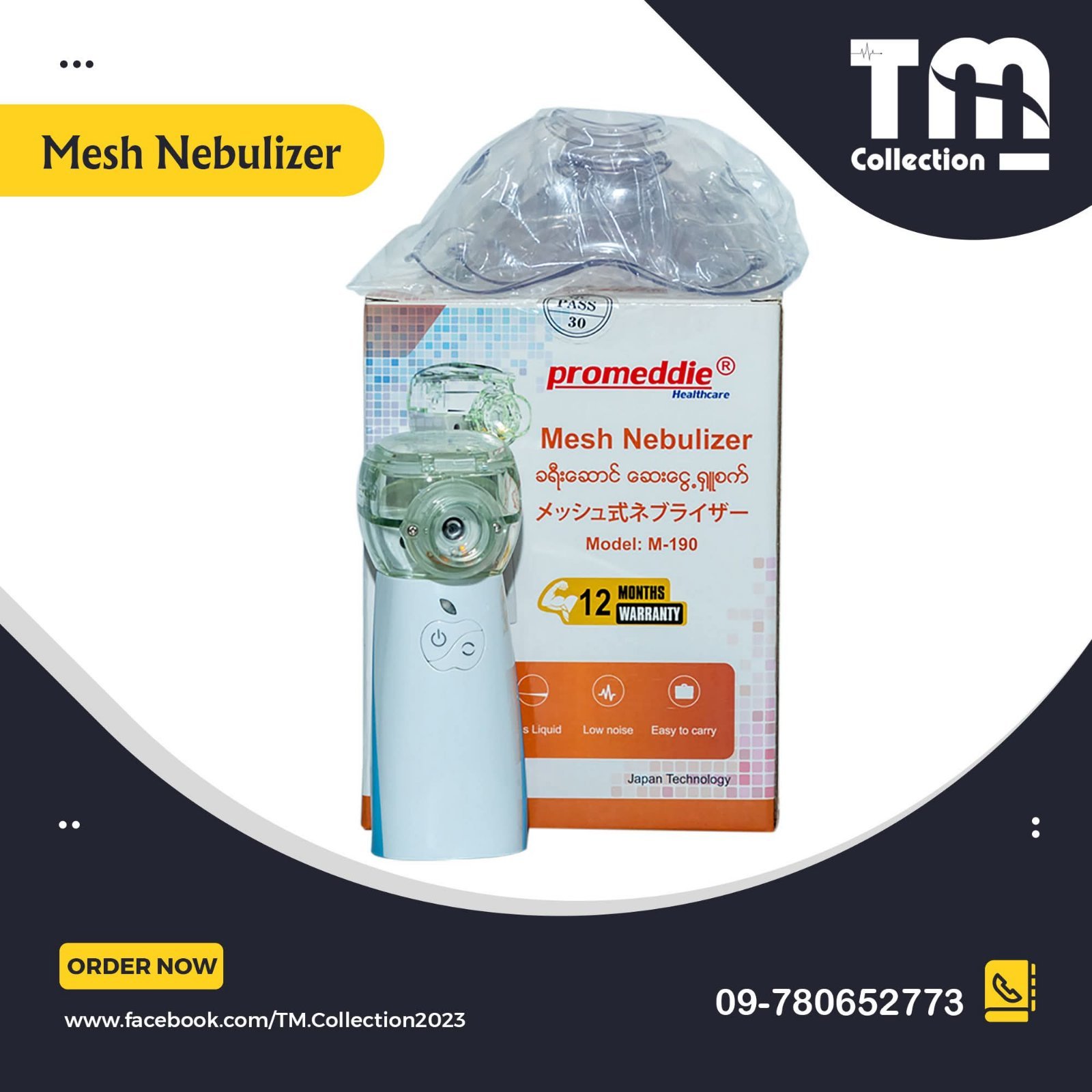
- Nebulizers
- Diagnostic equipment
- Surgical supplies
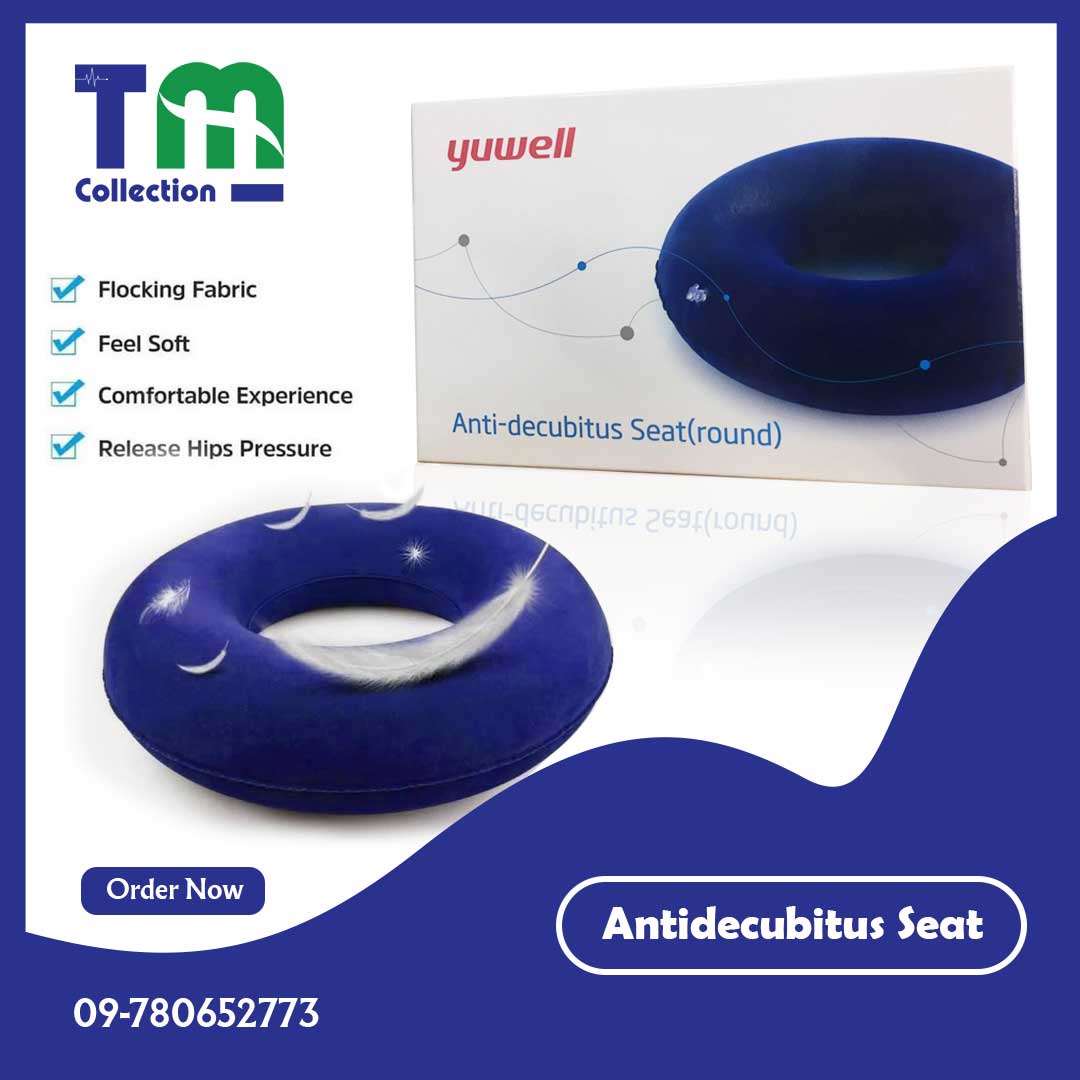
- Patient-care products
- Personal protective equipment
Each device has a specific purpose and should be selected according to its intended application.
Why Quality Matters
Medical equipment can directly support patient monitoring and care. For this reason, product quality is an important consideration.
A reliable product should have clear specifications and information about its manufacturer, intended use, operating requirements, and applicable quality or regulatory standards.
Consider the Intended Use
Before purchasing a medical device, clearly understand how and where it will be used.
A device intended for home monitoring may have different requirements from equipment designed for a professional healthcare environment.
Consider the following questions:
- Who will use the device?
- Where will it be used?
- How frequently will it be used?
- What features are actually required?
- What maintenance does it need?
- Are replacement parts or accessories available?
Answering these questions can help narrow down the most suitable options.
Ease of Use Is Important
A technically advanced device may not be the best choice if it is difficult for the intended user to operate.
For home healthcare, clear displays, simple controls, understandable instructions, and comfortable designs can make a significant difference.
For professional environments, usability can contribute to an efficient workflow.
Look Beyond the Price
Price is naturally an important consideration, but it should not be the only deciding factor.
A lower-priced product may not always provide the quality, durability, features, or support required for the intended application.
Instead, compare products based on their specifications, quality, reliability, usability, warranty, and supplier support.
Choose a Dependable Supplier
A trustworthy supplier can make the purchasing process easier by providing accurate product information and appropriate support.
Whether you are purchasing equipment for home healthcare, a clinic, hospital, laboratory, or other healthcare environment, working with a reliable supplier is an important part of the process.
Making Better Medical Equipment Decisions
Choosing medical devices carefully can help users find products that are appropriate for their specific requirements.
At TM Collection, we focus on providing a diverse range of medical and healthcare products for different applications. Our goal is to make quality healthcare equipment more accessible while helping customers find practical solutions for their needs.
Always verify product specifications and intended use before purchase. Medical devices should be used according to manufacturer instructions and applicable professional guidance.