Preventive healthcare focuses on taking proactive steps to understand and maintain your health before a potential problem becomes more serious.
Regular check-ups, healthy lifestyle choices, and appropriate health monitoring can all play a role in a proactive approach to personal wellness.
What Is Preventive Health Monitoring?
Preventive health monitoring involves keeping track of relevant health indicators and staying aware of changes in your overall well-being.
The appropriate monitoring routine depends on factors such as age, lifestyle, medical history, and individual healthcare needs.
A healthcare professional can recommend which checks or measurements are appropriate.
Early Awareness Can Be Valuable
Many health conditions may not always produce noticeable symptoms in their early stages.
Regular professional health check-ups and appropriate monitoring can help individuals become more aware of changes that may require further evaluation.
This does not mean that every unusual reading indicates a health problem. Measurements should always be interpreted appropriately and, when necessary, discussed with a healthcare professional.
Common Health Monitoring Tools
Different devices can support different types of monitoring.
Blood Pressure Monitors
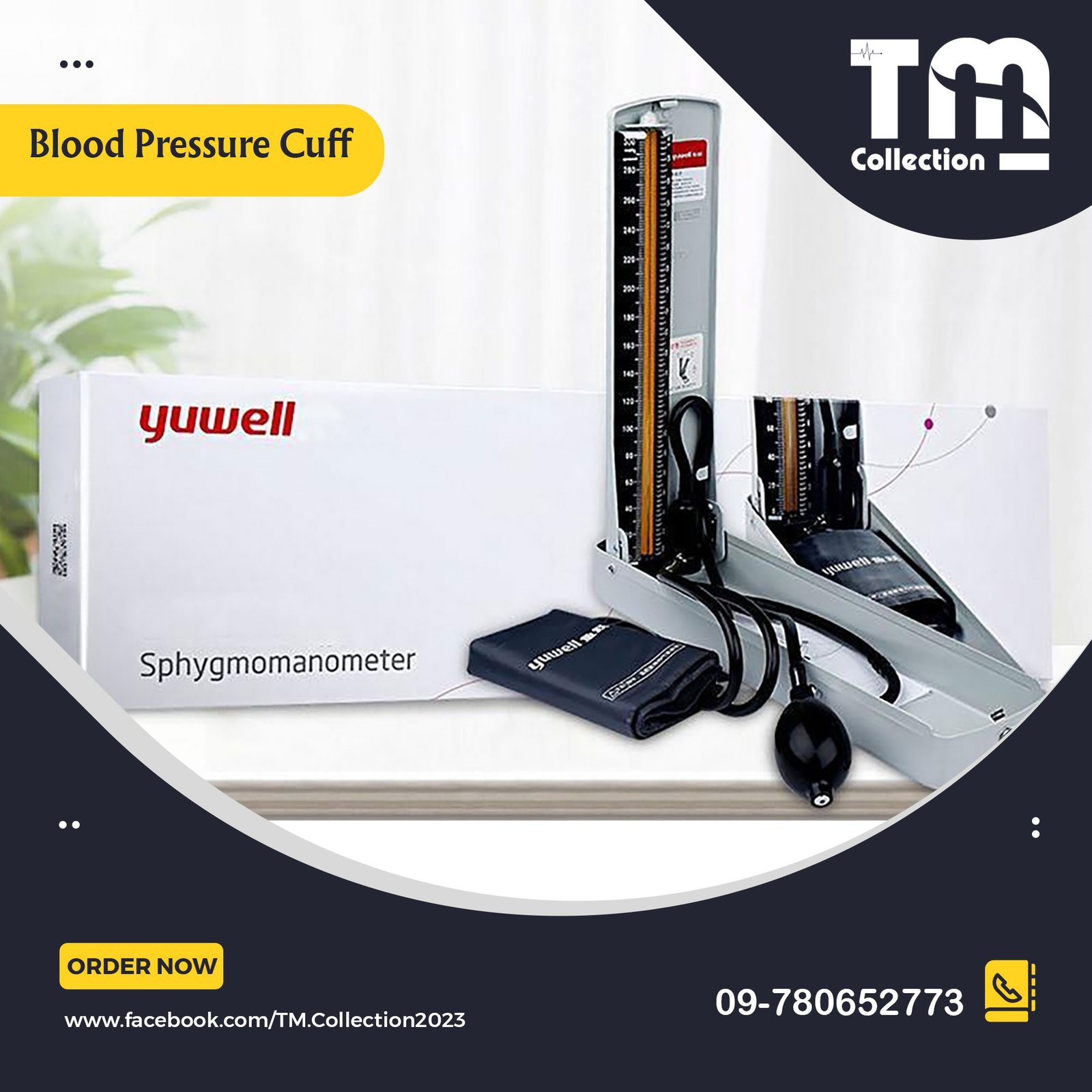
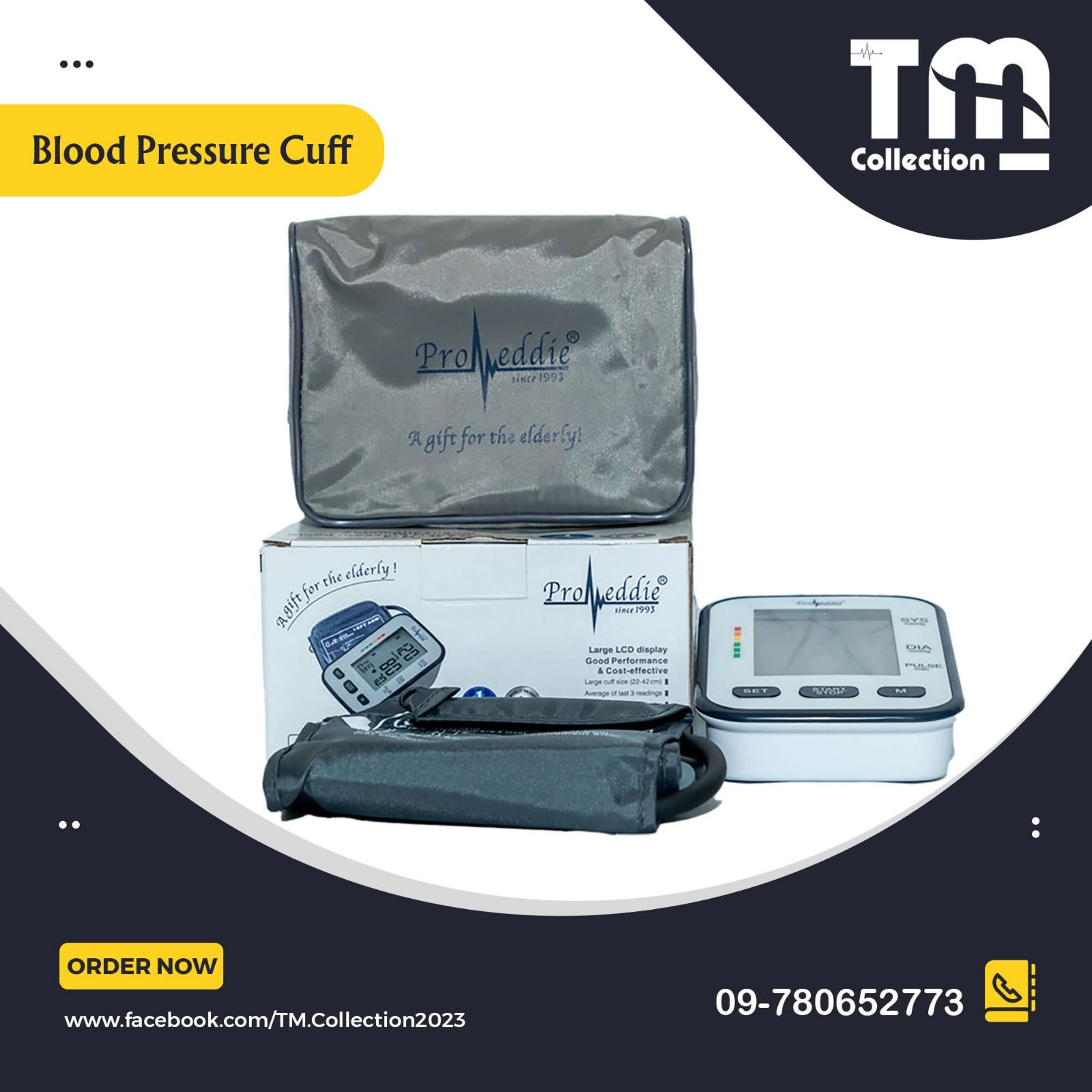
Blood pressure monitors can help users measure and record blood pressure at home when recommended.
Pulse Oximeters
Pulse oximeters estimate oxygen saturation and pulse rate and may be useful for appropriate monitoring situations.
Other Healthcare Equipment
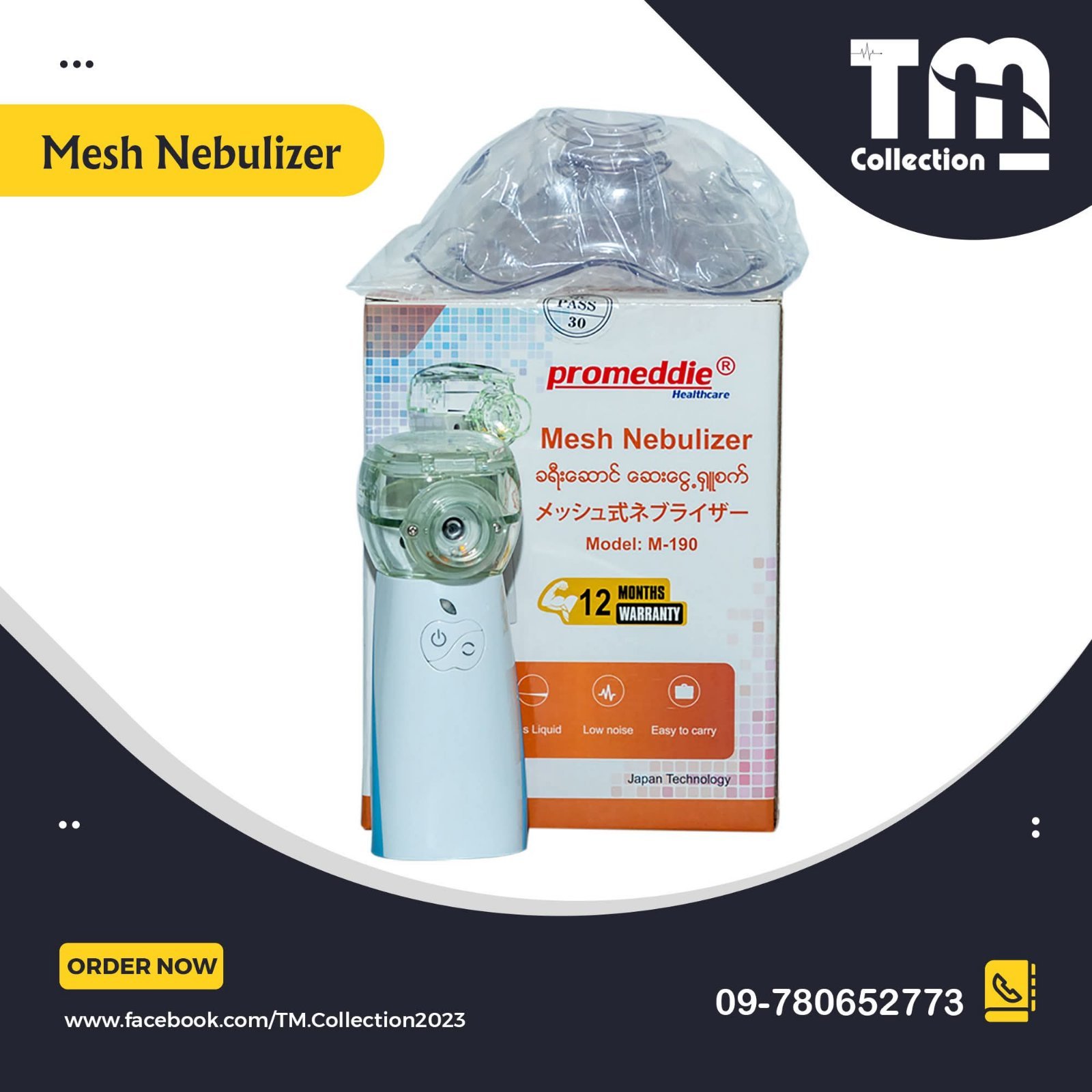
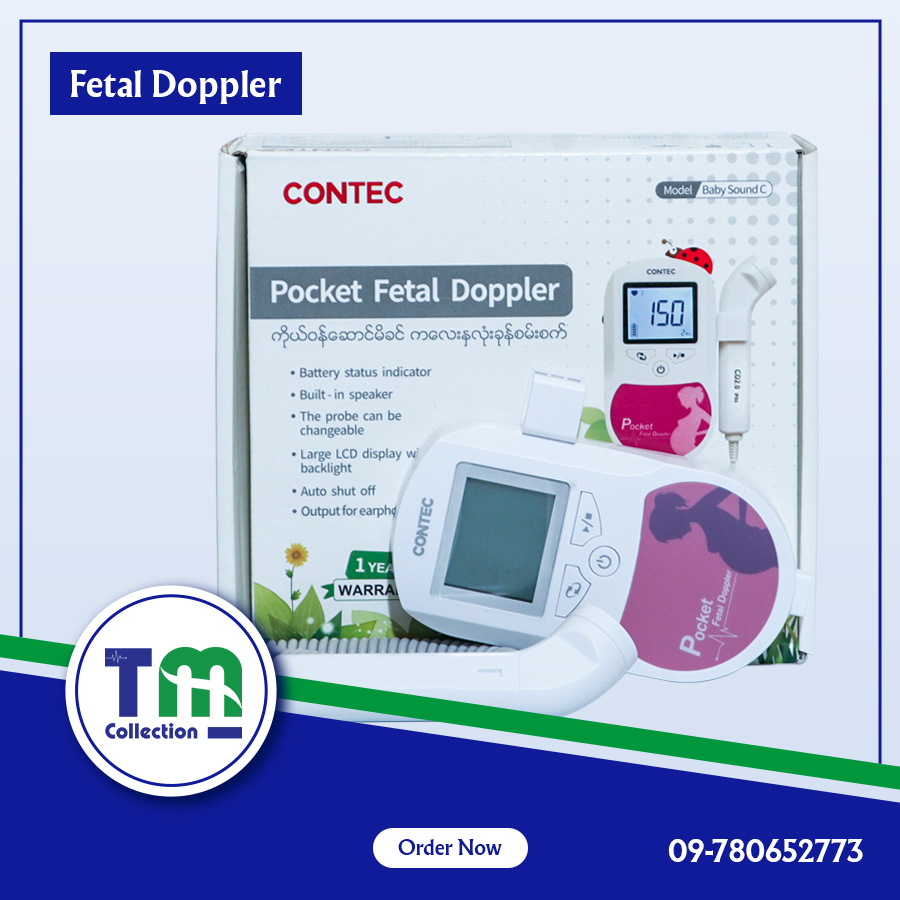
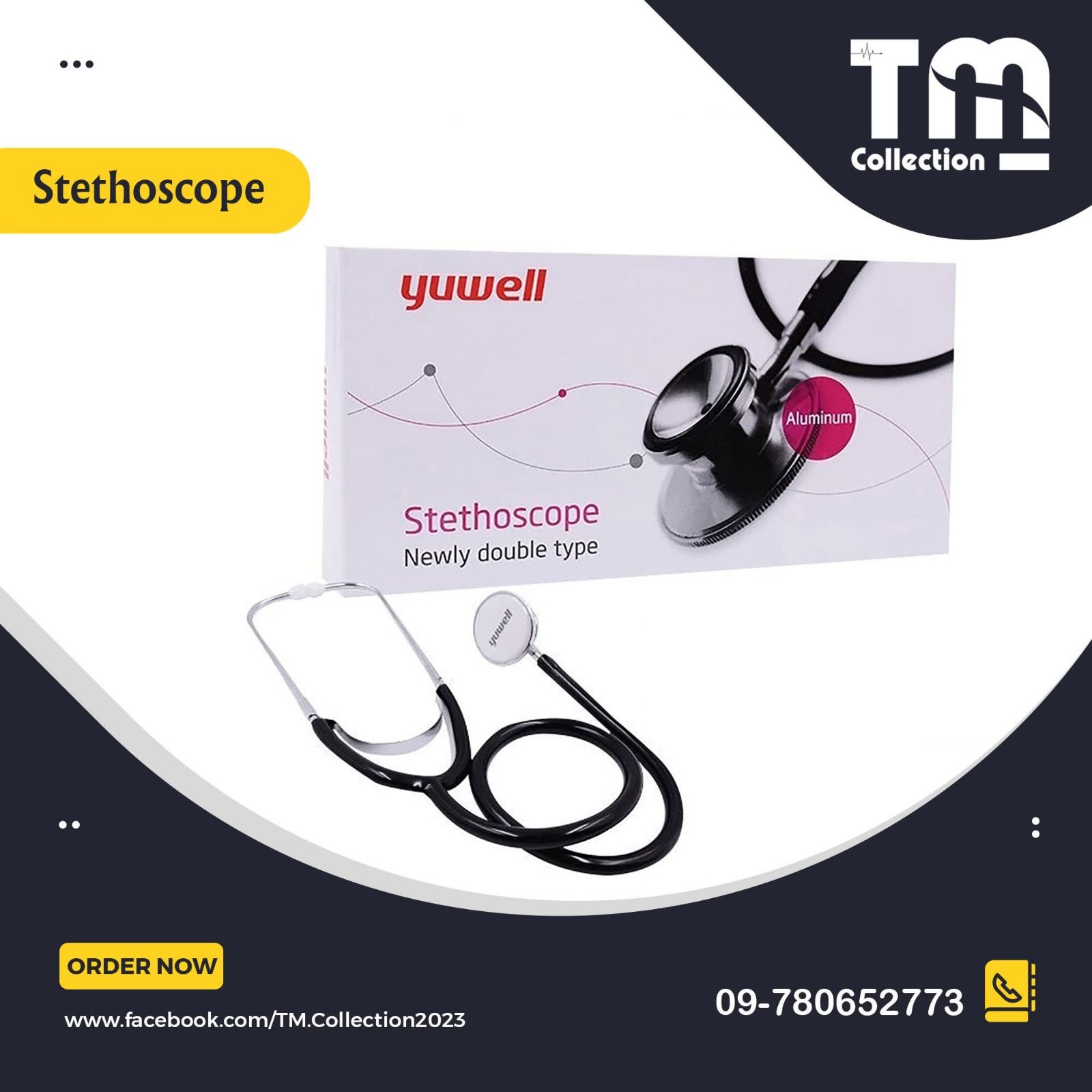
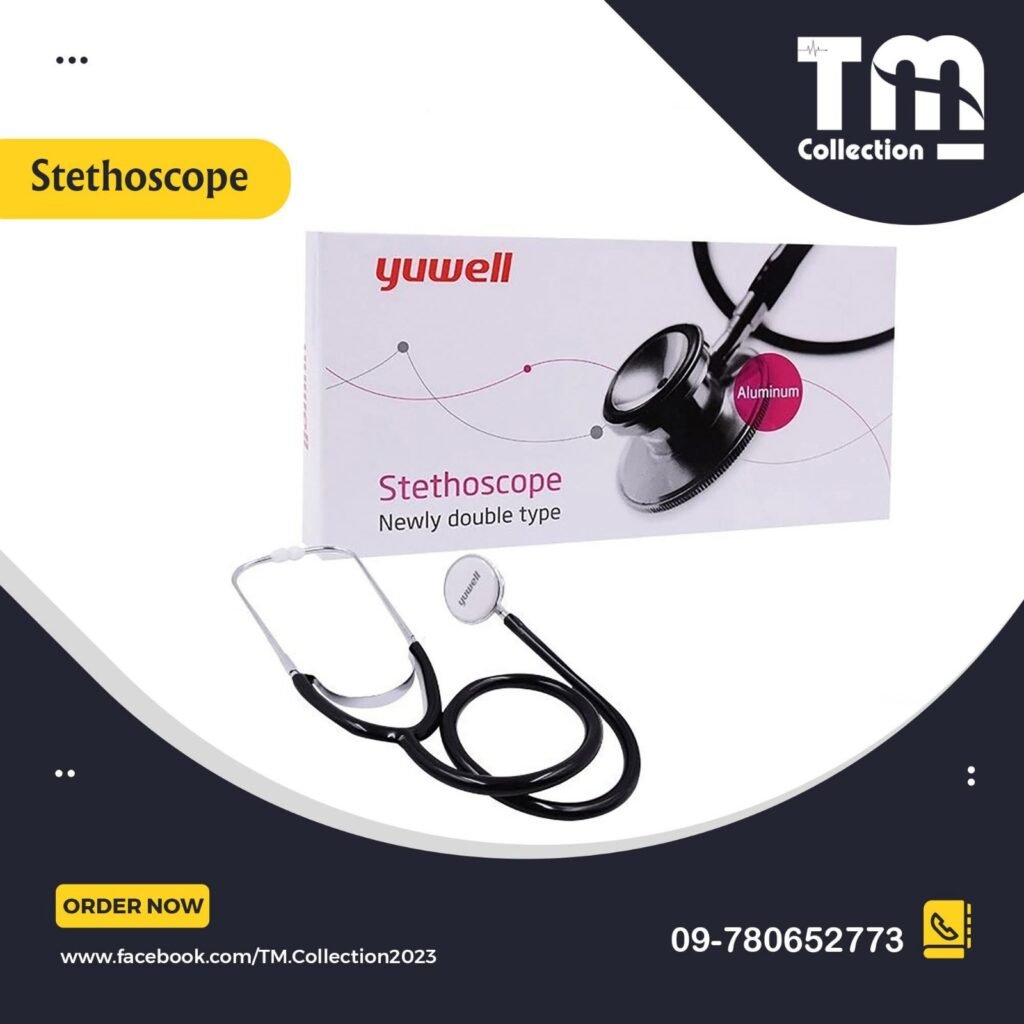
Depending on individual needs, other diagnostic or monitoring equipment may be appropriate.
The most important consideration is selecting equipment that is suitable for the intended purpose and user.
Combine Monitoring With Healthy Habits
Preventive healthcare is not limited to medical devices.
A healthy lifestyle can include:
- Regular physical activity
- Balanced nutrition
- Adequate sleep
- Stress management
- Regular health check-ups
- Avoiding tobacco and other harmful substances
- Maintaining appropriate hydration
These habits can support overall health and complement appropriate health monitoring.
Keep Useful Health Records
Maintaining a simple record of relevant measurements can be beneficial, especially when a healthcare professional has recommended regular monitoring.
Records can help identify trends and provide useful information during consultations.
Digital tools, notebooks, or device memory features can all be used depending on personal preference and the available equipment.
Choose Healthcare Products Carefully
When purchasing health monitoring equipment, consider the manufacturer’s information, product specifications, usability, intended application, and applicable quality standards.
Reliable equipment can make routine monitoring more convenient, but correct usage remains equally important.
A Proactive Approach to Better Wellness
Preventive health monitoring is about awareness, consistency, and responsible healthcare decisions.
By combining appropriate monitoring, healthy daily habits, and regular professional medical advice, individuals can take a more proactive approach to their overall wellness.
At TM Collection, we provide medical and healthcare products designed to support a variety of monitoring, patient-care, and home healthcare requirements.
Health monitoring should complement—not replace—professional medical care. Always seek appropriate medical advice for persistent concerns or unusual symptoms.